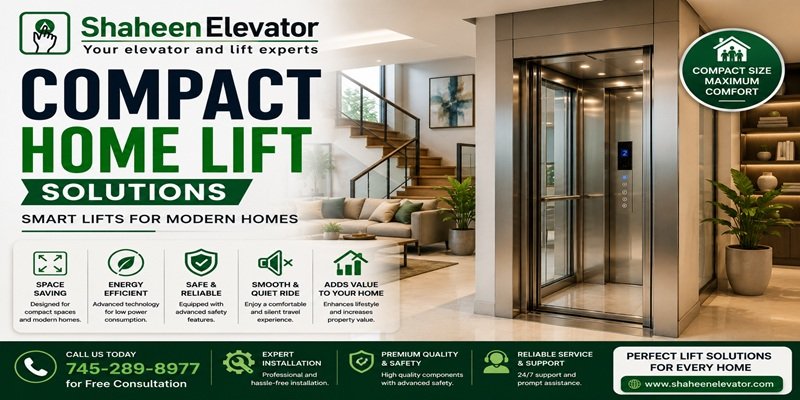
As modern homes continue to embrace convenience, accessibility, and luxury, installing a residential elevator has become more popular than ever. Whether you are constructing a new villa, renovating a duplex, or upgrading an existing multi-story home, choosing the right home lift requires careful planning.
This Residential Elevator Buying Guide by Shaheen Elevator will help you understand the different types of residential elevators, important safety features, installation requirements, maintenance costs, and the key factors to consider before making your investment.
Why Install a Residential Elevator?
A residential elevator is more than just a luxury feature. It improves daily living and enhances the value of your home.
Benefits of a Residential Elevator
- Easy access between floors
- Increased comfort for senior citizens
- Improved mobility for wheelchair users
- Safe transportation for children
- Adds luxury to your home
- Increases property value
- Convenient for carrying groceries and luggage
- Future-proofs your home for aging family members
Modern home elevators are designed to blend seamlessly with your home’s architecture while providing reliable performance.
Types of Residential Elevators
Choosing the right lift starts with understanding the available options.
1. Hydraulic Home Lift
Hydraulic lifts are one of the most popular residential elevator systems.
Advantages
- Smooth and quiet operation
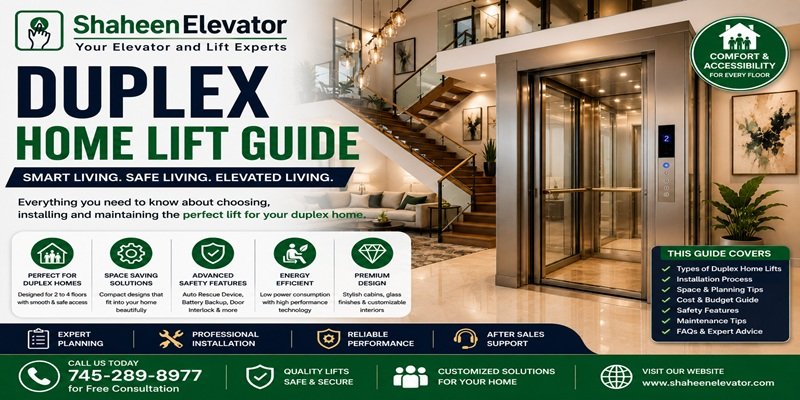
- Suitable for 2–4 floors
- Reliable performance
- Lower maintenance requirements
- Comfortable ride quality
Best for:
- Villas
- Duplex houses
- Independent homes
2. Machine Room Less (MRL) Lift
MRL lifts are ideal for homeowners who want to maximize available space.
Benefits
- No separate machine room
- Space-saving design
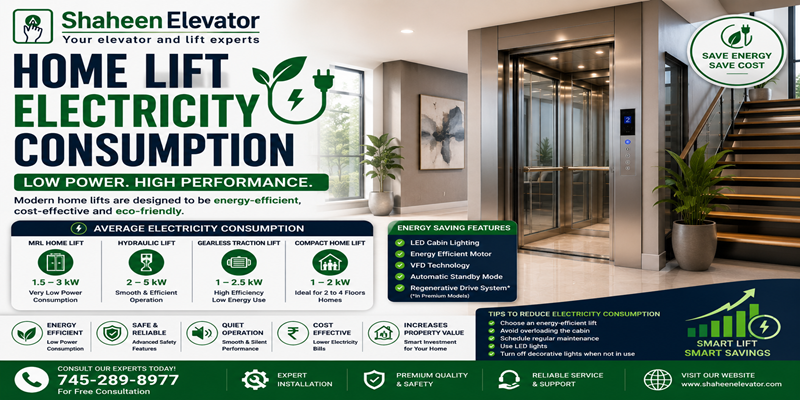
- Energy efficient
- Modern appearance
- Lower construction costs
These lifts are among the most preferred residential elevator solutions today.
3. Gearless Traction Lift
Gearless traction elevators are designed for premium residential projects.
Features
- High-speed operation
- Low electricity consumption
- Silent performance
- Long service life
- Advanced safety technology
Suitable for luxury homes and high-end residences.
4. Glass Residential Elevator
Glass elevators combine elegance with functionality.
Perfect for:
- Luxury villas
- Designer homes
- Premium residences
- Modern architectural projects
A panoramic glass lift adds sophistication and increases the visual appeal of your property.
Factors to Consider Before Buying
Purchasing a home lift involves much more than comparing prices.
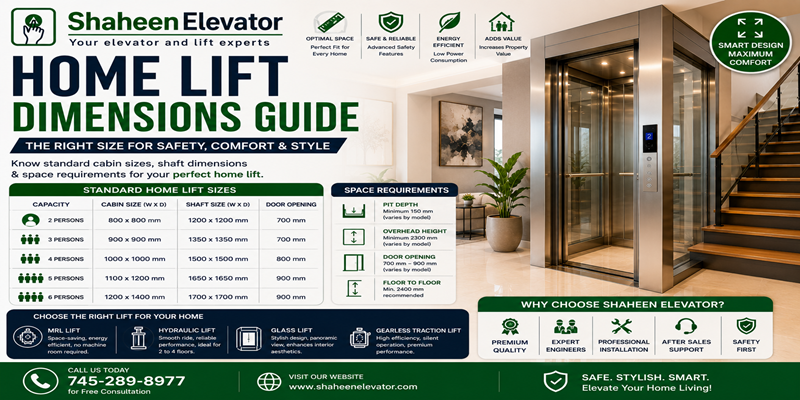
Available Space
Evaluate the available installation area before selecting a lift model.
Modern residential elevators can be installed in:
- Staircase openings
- Existing shafts
- Indoor corners
- Outdoor structures
- Newly constructed lift shafts
Compact lifts are ideal for homes with limited space.
Number of Floors
The total travel height affects:
- Lift type
- Motor capacity
- Installation cost
- Overall project budget
Choose a lift designed for your building’s floor configuration.
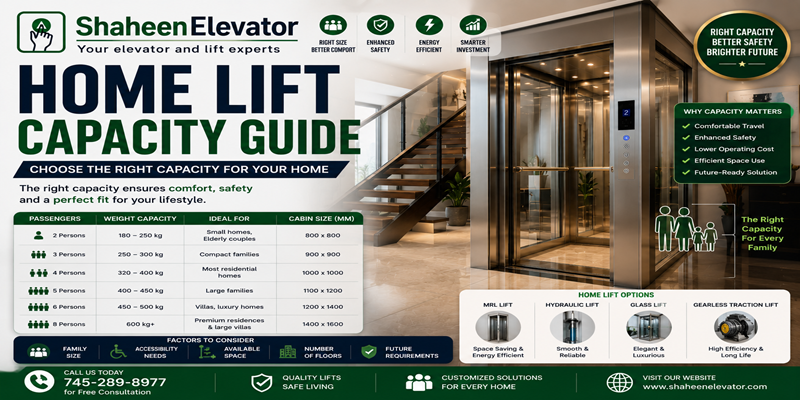
Lift Capacity
Residential elevators are available in different capacities, including:
- 2 Persons
- 4 Persons
- 6 Persons
- 8 Persons
Select a capacity that matches your family’s daily usage.
Safety Features
Safety should always be the top priority when choosing a residential elevator.
Essential features include:
- Automatic Rescue Device (ARD)
- Battery Backup
- Emergency Alarm
- Overload Protection
- Door Interlock System
- Emergency Stop Button
- Auto Leveling
- Fire-Resistant Components
- Child Safety Lock
These features ensure reliable and secure operation.
Interior Design Options
Your elevator should complement your home’s interior.
Popular cabin finishes include:
- Stainless Steel
- Glass Panels
- Wooden Finish
- Mirror Finish
- Decorative Ceiling
- LED Lighting
- Designer Flooring
- Automatic Sliding Doors
Custom cabin designs can enhance the overall look of your home.
Residential Elevator Installation Process
Professional installation ensures long-term safety and efficient performance.
Installation Steps
- Site Inspection
- Requirement Analysis
- Lift Design Selection
- Civil Work Preparation
- Manufacturing
- Equipment Delivery
- Mechanical Installation
- Electrical Connections
- Safety Testing
- Final Inspection and Handover
A certified installation team minimizes delays and ensures compliance with safety standards.
Maintenance Requirements
Routine maintenance keeps your elevator operating safely and efficiently.
Typical maintenance includes:
- Motor inspection
- Door adjustment
- Brake testing
- Guide rail lubrication
- Control panel inspection
- Battery testing
- Safety sensor calibration
- Emergency system testing
Scheduling an Annual Maintenance Contract (AMC) helps reduce breakdowns and extends the life of your lift.
How Much Does a Residential Elevator Cost?
The overall cost depends on several factors:
- Lift technology
- Number of floors
- Cabin size
- Capacity
- Interior finishes
- Civil construction
- Installation requirements
- Customization
Investing in a high-quality residential elevator provides long-term value, improved convenience, and enhanced safety.
Why Choose Shaheen Elevator?
At Shaheen Elevator, we deliver customized residential elevator solutions that combine innovation, safety, and exceptional craftsmanship.
Our Residential Lift Services
- Home Lift Installation
- Residential Elevators
- Hydraulic Lifts
- MRL Lifts
- Glass Elevators
- Passenger Lifts
- Lift Modernization
- Lift Repair
- Lift Maintenance
- Annual Maintenance Contract (AMC)
Why Homeowners Trust Shaheen Elevator
- Premium-quality lift systems
- Customized design solutions
- Affordable pricing
- Certified installation team
- Advanced safety features
- Reliable after-sales support
- Timely maintenance services
- High customer satisfaction
Our experienced engineers work closely with every client to recommend the ideal lift solution based on space, budget, and lifestyle.
Frequently Asked Questions (FAQs)
Which residential elevator is best for a small house?
Machine Room Less (MRL) lifts are an excellent choice for small houses because they require less space and offer energy-efficient performance.
Is a residential elevator safe?
Yes. Modern residential elevators include multiple safety features such as emergency alarms, battery backup, overload protection, and automatic rescue devices.
How long does installation take?
Most residential elevator installations are completed within 2 to 6 weeks, depending on the project size and civil work requirements.
How often should a residential elevator be serviced?
Regular servicing every few months, along with an Annual Maintenance Contract (AMC), helps maintain safety, performance, and reliability.
Does installing a home lift increase property value?
Yes. A residential elevator enhances convenience, improves accessibility, and can significantly increase the resale value of a multi-story home.
Conclusion
Choosing the right residential elevator is an important decision that affects your home’s comfort, safety, and long-term value. By understanding lift types, installation requirements, safety features, maintenance needs, and available customization options, you can confidently select the best solution for your property.
This Residential Elevator Buying Guide highlights the key factors every homeowner should consider before investing in a home lift. Whether you need a compact MRL lift for a small house, a hydraulic lift for a duplex, or a luxurious glass elevator for a modern villa, selecting a trusted installation partner is essential.
Shaheen Elevator is committed to delivering high-quality residential lift solutions tailored to your specific requirements. From expert consultation and professional installation to dependable maintenance and after-sales support, we ensure every elevator is built for safety, performance, and lasting satisfaction. Contact Shaheen Elevator today to find the perfect residential elevator for your home and enjoy a smarter, more convenient way of living.